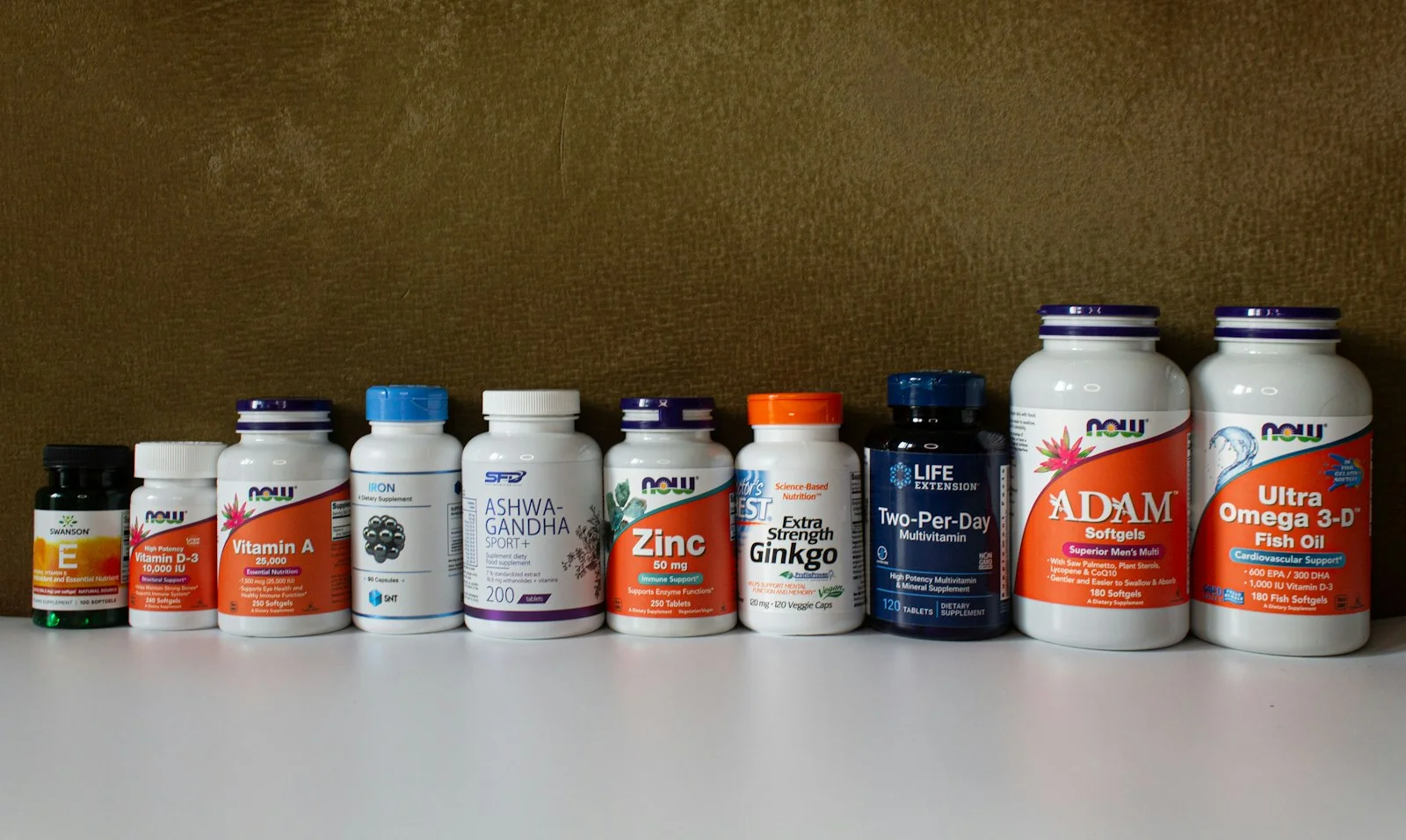
Tongkat ali sits outside the standard D-aspartic-acid-and-fenugreek stack most boosters use — and by several measures, it has better human trial support than either. Here's what the research actually shows, and where it still falls short of TRT.
These four ingredients appear on almost every testosterone-booster label. Ranked by what the actual trials found: ashwagandha and zinc hold up, fenugreek holds up conditionally, and D-aspartic acid should probably be retired.
The top testosterone boosters average 4.56 stars across thousands of reviews. The clinical literature behind their ingredients tells a much less flattering story. Both can be true at once — here's why.
Testogen Ultimate adds ashwagandha, nettle leaf and Bioperine on top of the ingredients it shares with TestoFuel; TestoFuel counters with maca, oyster extract and vitamin K2. Here's what the evidence behind each addition actually supports.
Prime Male targets older men at four capsules a day; Hunter Test targets "the busy man" at six capsules a day and a premium price. The dosage schedule tells you more about who each is really for than the marketing copy does.
TestoFuel and TestoPrime are aimed at different goals — muscle-building versus broad age-related decline — and reviewers can't even agree on whose fenugreek dose is higher. Here's what's verifiable against the actual trials.
TestoPrime and Prime Male share three headline ingredients — D-aspartic acid, zinc and a botanical adaptogen — but at different doses and for different target buyers. Here's how the panels actually compare against the trials behind each ingredient.
Short answer: most don't, for most men. Here's what the FDA's own review, a 191-study ingredient audit, and the gap between glowing reviews and clinical trials actually show.
We compared TestoPrime, Prime Male, TestoFuel, Testogen and Hunter Test the way a lab would: milligram against the clinical trial each ingredient claim is based on, not against the marketing copy.
An ingredient-by-ingredient safety read that corrects two things most roundups get wrong: DHEA does not raise blood pressure, and ashwagandha carries a real if uncommon liver-injury signal. Plus the prescriptions that actually decide your risk.
What actually separates TRT from a natural booster: the blood-test threshold, what the 5,246-man TRAVERSE trial found, the fertility suppression most comparisons omit, the real cost structure of a year on each — and the prescription middle path neither side frames as an option.